
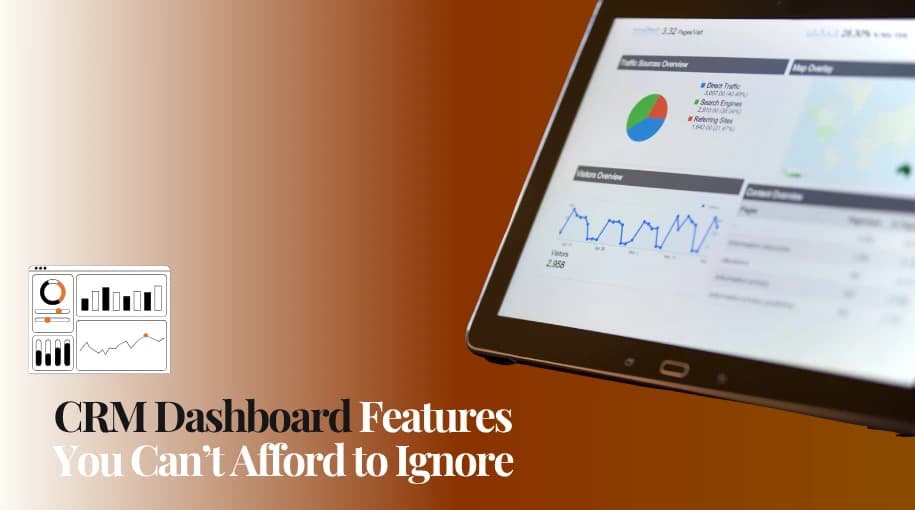
10 CRM Dashboard Features You Can’t Afford to Ignore
Every growing business faces two challenges: understanding customers and maximizing performance at every touchpoint. A customer relationship management dashboard provides the visibility needed to solve both issues by turning extensive customer, sales, and marketing information into real-time insights. From tracking KPIs to analyzing campaign impact or website interactions, an effective customer relationship management website connects these data points so teams never miss critical trends or opportunities.
With research showing that visual dashboards improve decision-making speed by over 40 percent, it's clear why key customer relationship management features make, or break, success in today's market. Let's explore how certain dashboard elements directly influence outcomes for your business.
Why CRM Dashboard Features Make or Break Success
CRM dashboard features are the foundation for turning customer data into actionable insights. We see that every interaction, emails, calls, website clicks, social posts, gets funneled into a single hub on our CRM dashboard. This centralization lets us visualize each step of the customer journey and spot where people feel stuck or drop off entirely.
For example, analysis like this once led to conversion rates soaring by 30% after optimizing onboarding processes at other companies. With robust dashboards in our CRM, we can break down campaign performance metrics so every marketing message feels relevant rather than generic. Studies show businesses using personalized strategies consistently achieve higher ROI because no two customers behave quite the same way online or offline.
Our real-time reporting helps support teams quickly identify pain points which leads to better retention through faster service and truly tailored experiences, not just canned responses or slow manual workarounds. Scalability also matters as our company grows; processing more complex datasets shouldn't require re-inventing how we analyze or present information within our CRM's platform structure whether it's cloud-hosted or self-hosted setup that matches business needs best. Interactivity rounds out these essentials since team members must actively explore trends inside each visualization instead of staring at static charts hoping something stands out, and that's what makes modern CRM dashboards indispensable across any successful CRM website deployment today.
What Is a CRM Dashboard (And What It Should Be)
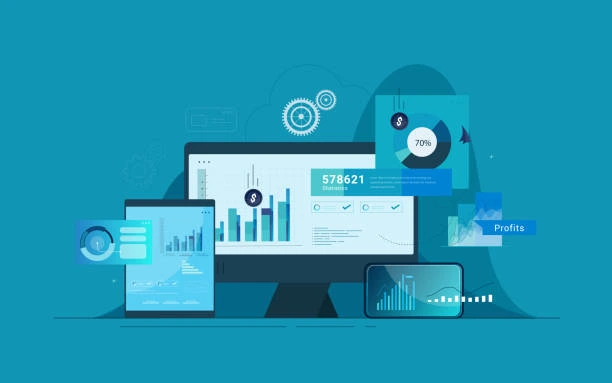
A CRM dashboard is a visual, customizable workspace that gives us instant access to our most critical business data. It pulls real-time information from sources like email marketing tools, ecommerce sites, and even people management software right into one screen. With clear charts and graphs instead of rows of numbers, it turns raw data into something we can actually use in the middle of a busy week.
Most effective dashboards show only five to seven reports at once because anything more gets overwhelming fast. We make sure ours focus on big-picture metrics as well as those details that drive everyday action, like open deals or campaign results for this quarter. Each team member sees what matters just for them while managers get updates on performance trends they can act on immediately if needed.
Studies suggest great dashboards boost sales conversion rates by up to 300% and improve team productivity by over 30%, so keeping things simple yet detailed pays off quickly here at Beige CRM's platform too. More than nine out of ten businesses with teams bigger than ten use some form of customer relationship management. Smarter reporting helps everyone move toward shared goals without wasted motion or confusion.
Why Most CRM Dashboards Fail to Deliver
Far too many CRM dashboards miss the mark because they overwhelm users with irrelevant or cluttered information. Instead of surfacing actionable insights, these dashboards frustrate teams who are hunting for clear answers but find only a maze of widgets and tiny charts. According to Statista research, CRM market revenue jumped by $55 billion between 2010 and 2020, yet real user adoption still lags due to dashboard fatigue and poor usability.
A common misstep happens when data isn't presented in real time or lacks mobile accessibility; about half our team now checks updates from their phones while on calls or traveling to meetings. Dashboards that can't adapt lead different roles within an organization to see screens packed with features they never use, or even need training just to get started each morning. Even beautiful visuals break down if sales leads must toggle through multiple pages before finding forecasts relevant for this quarter's strategy session.
In other cases, all performance metrics are lumped together without context so managers struggle prioritizing what matters right now versus next month's pipeline goals. Sometimes we've seen customer records updated manually instead of auto-populated, which means one missed step throws off progress tracking across marketing campaigns altogether. Ultimately, any CRM website should be intuitive enough that new hires find it welcoming yet powerful enough that long-time employees feel equipped rather than burdened during busy seasons.
Beige CRM was built expressly around those needs: simple interfaces paired with robust customization keeps every project manager focused, not lost, in the details whenever critical decisions arrive fast.
The Cost of Ignoring CRM Insights
Ignoring customer relationship management insights comes with a hefty price tag for any business aiming to build strong customer relationships. Companies that overlook analytics and trends from their customer relationship management risk missing out on up to 25% annual spending increases from existing customers. More than three-quarters of B2B brands already run loyalty programs, but without organized insights it's almost impossible to pinpoint which perks or campaigns truly drive results.
Only 42% of business leaders actually feel confident in how they approach these initiatives, often because scattered data leads to guesswork instead of smart decisions. If your dashboard isn't tracking metrics like long-term retention rates or upsell conversions, you'll never know what works best for your most loyal groups. Our experience shows using dashboards can help nurture over 30% more lasting customer relationships simply by acting on clear patterns found within a centralized view.
With our custom reporting tools and real-time website integration, we always know exactly who our highest value clients are and how satisfied they feel at every touchpoint along their journey with us. Strong self-hosted customer relationship management systems also keep all this vital information secure so nothing falls through the cracks during key transitions or after big sales pushes happen online, and reliable historical records mean less time piecing together stories manually each quarter too! By staying tuned into actual user behavior through feature-rich platforms such as ours, there's no need for educated guesses; growth becomes measurable right before our eyes while our customer relationship management stay stuck hoping old habits pay off again someday soon.
Top 10 CRM Features That Actually Drive Results
Real-Time Data Management
Easy connection, segmentation, and real-time data management ensures smoother decision-making and better response times.
Robust Contact Management
Clear, detailed contact profiles provide full interaction context, empowering personalized customer engagement.
Calendar Integration
Built-in scheduling for meetings and follow-ups saves hours by removing the need to switch between apps.
Built-In Marketing Tools
Teams can launch campaigns directly from the dashboard—like posting event invites—while monitoring the sales pipeline.
Territory Management with Mapping
Visualize and strategize lead locations on a map, helping reps cover large areas efficiently, especially for field sales.
Extensive Marketplace Integrations
Seamlessly connects with popular platforms so workflows stay uninterrupted, even during high-pressure weeks.
Highly Customizable Dashboards
Small businesses can adapt their CRM interfaces as their goals evolve, thanks to flexible and open-source components.
Support for Self-Hosted Control
Open-source-friendly features allow self-hosted customers to gain more backend control and personalization.
Scalable Architecture
Designed for growth, supporting businesses expecting to double contact volume in the next two years.
Unified Insights for All Roles
From field reps to executives, everyone gets instant access to relevant insights from last week’s territory data to next quarter’s opportunities on a single interface.
Self Hosted CRM vs SaaS: Which Gives You Control?
When comparing self-hosted CRM with a cloud model, the biggest difference always comes down to control. With cloud platforms, your entire dashboard runs on infrastructure managed by an external vendor. Updates and features hit everyone at once through central hosting, no waiting around for patches or scheduled IT windows.
The $197 billion global cloud market in 2023 shows just how much businesses trust this hands-off approach. But if data privacy is top of mind, going self-hosted gives you more peace of mind since everything sits behind your own firewall instead of someone else's cloud server. You also get flexibility over upgrades, integrations with other internal tools, and even which users can access each dashboard feature in real time, even customizing reports when it fits team needs best.
On the flip side though, running customer data internally means taking on licensing fees upfront plus ongoing maintenance bills, not to mention training staff who'll keep things running smoothly day-to-day. Scaling out as usage grows may add another layer of challenge if business demands shift fast. Beige CRM supports seamless deployment for maximum user experience and compliance confidence.
What You Gain with Self Hosting
With self-hosting, we keep our entire customer database on our own servers and that gives us full control over sensitive information. Our clients often trust us with confidential projects or strategies, so knowing exactly where data lives is priceless for peace of mind. There's no need to worry about monthly surprises either, since a one-time purchase replaces costly subscriptions, our CRM found most buyers expect to spend $35–$100 per month otherwise and entry-level cloud CRM plans can reach as high as $1,292 each month.
We customize every part of the dashboard from fields built just for interior design jobs right down to marketing workflow tweaks without running into outside limits or missing features imposed by external parties. Performance isn't left up in the air, we pick how much bandwidth or hardware power goes behind our CRM during those crunch times when leads flood in after promotions hit live. It also means better integration because we tie directly into tools we're already using across sales and billing; nothing gets lost between systems or needs extra middleware costs tacked on top later.
Privacy compliance feels less like guesswork. Updates roll out immediately based on local GDPR or CCPA changes. Growth comes naturally, a new team member joins? Add their account instantly without worrying about another price structure jump hidden deep in upgrade emails nobody saw coming last week!
Stability stays front-and-center since sudden plan changes don't disrupt budgets nor does an essential feature vanish overnight due to decisions made far removed from everyday challenges faced here.
Data Ownership and Compliance
Data ownership and compliance matter more than ever when working with any customer relationship management dashboard. Regulations like GDPR shape how we manage customer information, requiring tight controls on who can access what data. A robust self-hosted customer relationship management or flexible website portal must offer detailed user roles so only authorized team members handle specific records.
At Beige customer relationship management, we keep this at the center of our design philosophy by giving admins fine-grained control over permissions right from the dashboard settings menu. For example, two-factor authentication and AES-256 encryption protect both your clients' details in transit and while stored on secure servers. We also support automated backups to further reduce risks tied to accidental deletions or technical hiccups that might erase critical sales history overnight.
According to industry standards outlined in ISO 27001 certifications, a benchmark for security best practices, regular password updates should occur every six months alongside unique login credentials per employee account for maximum protection against breaches. Full compliance is an ongoing process about transparency and safety. You can securely export reports in PDF or spreadsheet formats from Beige customer relationship management dashboards for audits or reviews. That means you're in charge, not left wondering where copies live after sharing insights between departments during quarterly check-ins.
With governments making privacy rules even stricter year by year, and fines topping millions, it pays off being proactive rather than reactive here.
Choosing a CRM Website That Grows With You
Choosing a CRM website that grows with you is all about flexibility and future-proofing your investment. As businesses expand, the volume of customer data climbs fast, and we need dashboards and features built ready to scale right alongside us. Custom CRM stands out because it's self-hosted, letting our team control every update, integration, and security feature without depending on third parties or hidden limits.
We know from experience how crucial customizable automations are: being able to tailor the pipeline stages as sales strategies shift saves hours each week for teams at any growth stage. A good mobile app isn't just nice-to-have, our clients often depend on real-time updates before meetings or while working remotely since 92% of reps now use their phones daily for work tasks according to recent surveys in 2025. Features like synced client records let field agents log details on-site so nothing falls through cracks if there's spotty Wi-Fi; everything syncs up once they're back online.
We also look closely at user permissions as companies get bigger, a clear dashboard lets managers set who sees deals versus sensitive financial info which boosts both transparency and compliance as staff counts grow past ten employees. Personalized communication tools matter too: segmentation based on buyer history allows tailored messages that can move leads down funnel faster (and customers do notice). The bottom line?
Picking a platform like Custom CRM pays off by offering adaptability and reliable support. It remains effective even when needs change unexpectedly due to new market demands or team structure shifts.
The Final Takeaway
The final takeaway is simple: Neutral CRM brings all your core business processes into focus with a single, intuitive dashboard. We've seen first-hand how teams who use advanced sales pipeline management report up to 28% higher revenue growth. By centralizing customer data and giving you full access from anywhere, our platform helps reduce manual entry for staff by nearly half.
Automated lead scoring keeps everyone focused on the most promising prospects so effort translates directly into closed deals instead of wasted hours. Our marketing automation tools help increase campaign effectiveness while saving time, on average, reducing repetitive tasks by more than 20%. With detailed reporting features at your fingertips, decision-making becomes grounded in clear KPIs such as conversion rates or customer lifetime value rather than guesswork or instincts alone.
Built-in support solutions resolve tickets faster and keep satisfaction levels high; businesses using similar dashboards have reported improvements of over 30% in their resolution speed. Cloud access means flexibility without cutting corners on security, a must-have whether growing locally or scaling globally with confidence that sensitive information stays protected at every step. In short, we designed these ten Neutral CRM dashboard essentials not just for today's needs but also to ensure long-term success as markets shift and demands grow more complex each year.
Choosing the right CRM dashboard features drives real business results. At Beige CRM, we design our platform to give you actionable insights and simple day-to-day management. From visual sales pipelines to automated reporting, each feature supports stronger customer relationships and smarter decisions. With these ten core tools in place, your team stays organized while staying focused on growth, not administrative work. We believe that with the right dashboard setup, every touchpoint improves outcomes for both your customers and your bottom line, making success more achievable than ever before.